  layer_one other_layer
1         V           V
2         V           C
3 C CConditional Probability
OI, Ch. 3
2026-02-27
Probability Simulation
Suppose you have three two-layer cakes:
- one is vanilla on both layers
- one is chocolate on both layers
- one is vanilla on one layer and chocolate on the other
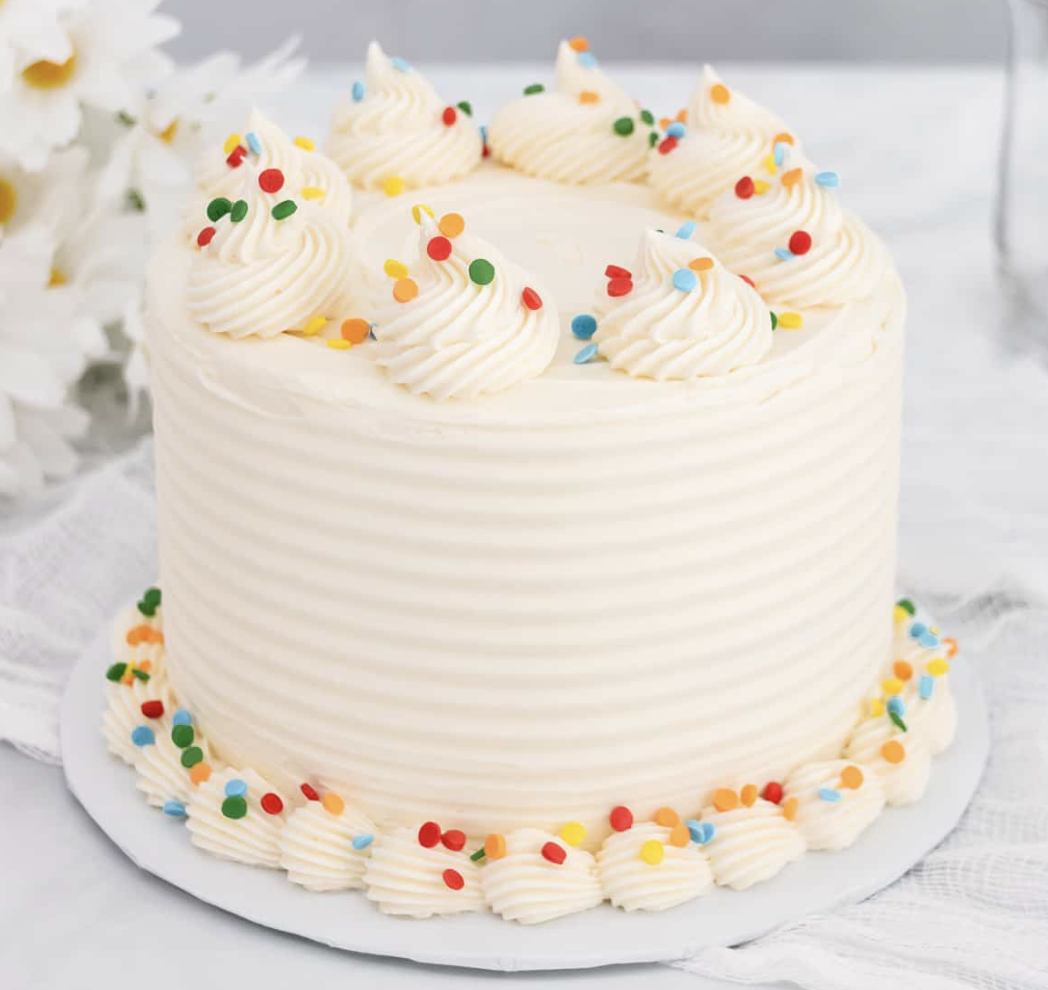
Probability Simulation
You cut the top layer and peek inside. It’s vanilla!
Q. What is the probability that when you cut through the bottom layer, that layer will also be vanilla?
Picture
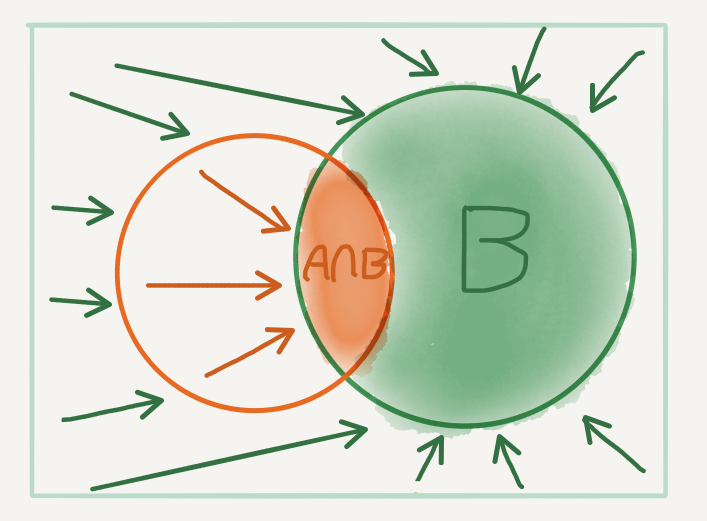
- Caveat: It is never safe to assume that \(\mathrm{P}(A|B) = \mathrm{P}(B|A)\)!
- What happens when event A is very unlikely to occur?
Example: Hair Whorls and Handedness
When my daughter was a baby I noticed her hair whorl swirled counterclockwise (CCW). It turns out that CCW whorls are less common than clockwise (CW) whorls. Further, whorl direction and handedness have been found to be associated (Klar, 2003)! I wondered, given that my baby had a CCW whorl, what was the chance she’d be left-handed?
